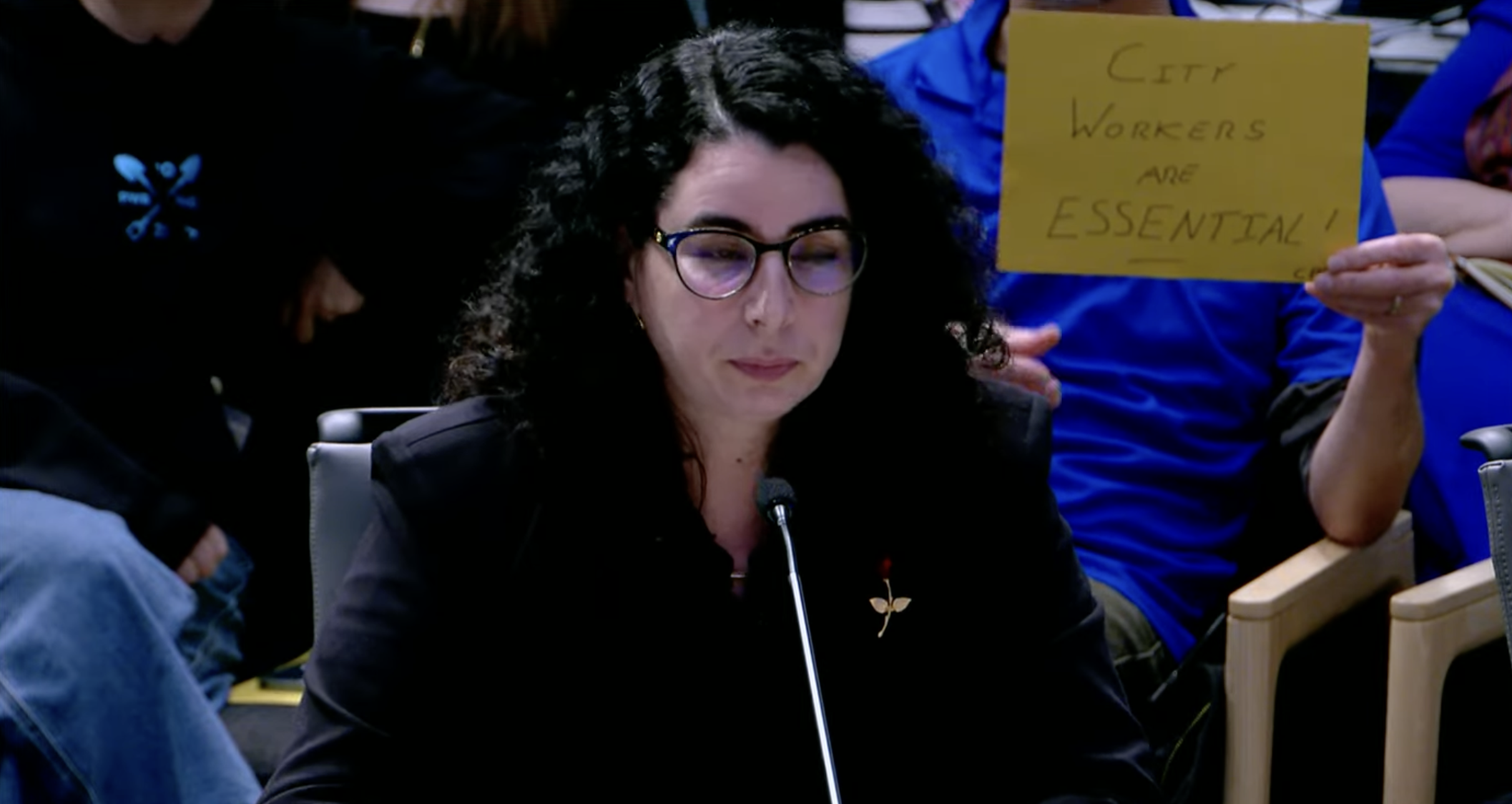
Every day, I work with people who are the real backbone of city government. I work with staff who help neighborhood leaders navigate the system, connect the right people, and make sure public meetings and land use work actually function. I work with PBOT staff who keep public spaces and plaza programs moving. I work with planners, operations staff, permitting staff, and others whose names most people will never know, but whose work makes this city usable. And of course, that includes the people connected to public safety as well. These are not abstract positions on an org chart. They are real people doing the daily work that businesses, neighborhoods, and residents depend on.
That is why I have been paying close attention to Portland’s core services realignment. The City has said each core service area, including communications, engagement, equity, human resources, technology, procurement, and budget and finance, will be asked to reduce ongoing costs by about 20 percent. At the same time, Portland’s own work session materials make clear that some of these functions are directly tied to payroll, timekeeping, safety training, contracts, capital project support, cybersecurity, GIS, SCADA, and other systems that keep public safety, infrastructure maintenance, and basic city operations running.
My concern is not with having an honest budget conversation. My concern is whether we are making cuts in the right order. Not every internal function, every management layer, or every side initiative is equally close to true core services. If Portland is serious about protecting what matters most, then public safety, infrastructure maintenance, and basic city operations should be funded first. That is not just my view; the Portland Metro Chamber is making the same basic argument in its current policy agenda.
What worries me is that the structure appears to let management and administrative layers survive more easily than some of the employees doing the direct operational work that businesses and neighbors actually experience. The City’s own materials show manager counts remaining in several service areas even under cut scenarios, while also warning about risks like delayed safety training, timekeeping problems, slower procurement approvals, capital project impacts, and downtime risks for critical technology systems. That should raise a serious question for everyone involved in this process: have we examined duplication, administrative sprawl, and management overhead deeply enough before putting more pressure on the operational backbone?
Portland’s new form of government was supposed to create clearer accountability. City Council is now the legislative body that sets policy and approves the budget, while the mayor and city administrator oversee day-to-day administration of bureaus and services. If that structure is going to earn public trust, it has to do more than rearrange charts. It has to make better decisions about what gets protected first.
For me, the answer is simple. Protect core services first. Protect the grassroots jobs first. Protect the people who work directly with businesses, neighborhoods, and residents first. Then look outward at the rest of the system and decide what can be streamlined, consolidated, or cut.
A serious city protects the backbone before it protects the layers around it.